Is It Time for a New Furnace? Signs You Need Heating Replacement
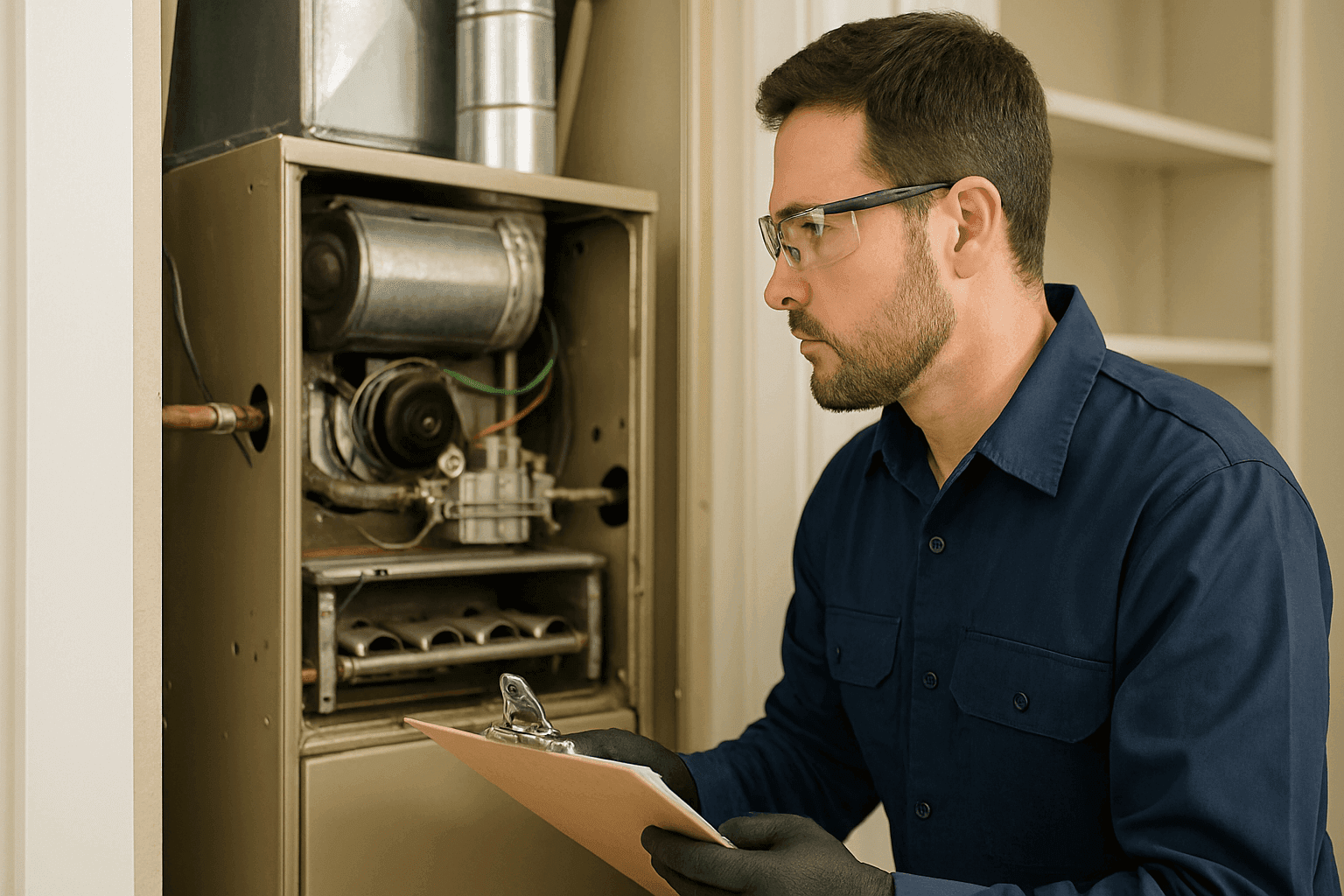
When the cold settles in and your home’s warmth feels patchy or unpredictable, it’s more than an inconvenience—it’s a real concern. You count on your furnace to keep your family safe and comfortable. But every furnace has a lifespan, and knowing when to replace it can save you money, stress, and chilly nights.
At Mills Heating & Air, we know the signs that spell trouble for your heating system. If you’re wondering whether it’s time for a new furnace, you’re not alone. Here’s what to look for, why it matters, and what happens next.
Red Flags of a Failing Furnace 🔥
The warning signs of furnace trouble are often subtle at first. Think of them as your furnace’s way of whispering for help before it starts to shout. Here are the most common red flags:
- Frequent Repairs: If you’re calling for HVAC repair near you every few months, your furnace is likely on its last legs.
- Uneven Heating: Cold spots in some rooms and hot bursts in others? That’s a classic symptom of a failing system.
- Rising Energy Bills: An old furnace will work harder as it loses efficiency, sending your utility bills sky-high.
- Strange Noises: Clanking, banging, or rattling noises aren’t just annoying—they usually signal something serious inside your unit.
- Unit Age: Most furnaces last 15–20 years. If yours is approaching or past this age, replacement is usually the safer, more cost-effective option. The U.S. Department of Energy confirms older systems are much less efficient.
- Yellow Burner Flame: A healthy furnace should burn a steady blue flame. Yellow flames can mean dangerous carbon monoxide production.
If you spot one or more of these issues, don’t ignore them. They’re your heating system’s SOS.
When Repairs Outweigh Replacement
Every homeowner faces the repair-or-replace decision eventually. Here’s a good rule of thumb: If the cost of repairs is more than half the price of a new furnace, it’s usually time to replace. This is especially true if your unit is over a decade old.
Other factors to consider:
- Frequency of Breakdowns: Multiple repairs in a single season suggest deeper problems.
- Safety Concerns: Issues like cracked heat exchangers or suspected gas leaks—cited by the National Fire Protection Association—should never be ignored.
- Performance Decline: If comfort and air quality have dropped even after repairs, your system may be beyond saving.
A trustworthy HVAC technician will assess your furnace honestly, helping you weigh your options based on facts—not just quick fixes.
How New Systems Improve Comfort
Upgrading your furnace is more than swapping one box for another. It’s like trading in an old sedan for a modern hybrid—smarter, quieter, and more efficient.
Benefits of a new heating system:
- Higher Efficiency: Modern furnaces can reach efficiency ratings above 95%, meaning more heat for every dollar spent (source: ENERGY STAR).
- Improved Reliability: Fewer breakdowns, lower maintenance, and peace of mind through the toughest months.
- Better Indoor Air Quality: Newer systems can integrate with advanced air filters, air scrubbers, and humidifiers for a healthier home.
- Consistent Heat: No more cold spots or uneven rooms—just steady, even warmth.
- Smart Controls: Program your comfort with updated thermostats, allowing for zoned heating and energy savings.
It’s a step up in every sense.
What to Expect During Furnace Replacement 🛠️
The process is straightforward but thorough. Here’s how it typically unfolds:
- Assessment: A professional evaluates your current system, ductwork, and home size. This ensures your new unit is the right fit.
- Removal: The old furnace is safely disconnected, removed, and disposed of according to EPA guidelines.
- Installation: Sheet metal work, air balancing, and system calibration are handled by skilled technicians.
- Testing: The system is fired up and tested for performance, safety, and efficiency. Airflow and thermostat settings are fine-tuned.
- Instruction: Before leaving, your technician should walk you through the new system and answer any questions.
The job usually takes one day for most homes—but older ductwork, special features, or additional upgrades can add a few hours.
Furnace Lifespan: How Long Should Yours Last?
Most furnaces last 15–20 years with regular maintenance. Factors such as quality of installation, type of fuel, and how well you keep up with filter changes and annual tune-ups all play a role.
- Gas furnaces: 15–20 years
- Electric furnaces: 20–30 years
- Heat pumps: 10–15 years
If your furnace is in its final years and showing multiple warning signs, it’s wise to plan ahead before you’re left in the cold.
Safety Matters: Quick Checklist
Before you ignore furnace issues, do a safety check:
- Is the carbon monoxide detector working?
- Do you smell gas, or see a yellow pilot light?
- Are vents and exhausts clear of debris?
- Is the furnace room clean and accessible?
- Is the circuit breaker labeled and easy to reach?
If anything feels off, shut down the system and call for professional help immediately. Safety always comes first.
Can I DIY Furnace Replacement?
Changing filters or checking the thermostat is fine for homeowners. But replacing a furnace? That’s a job for licensed professionals. Modern systems involve electrical, gas, and venting work—mistakes can put your home and family at risk.
According to the International Residential Code (IRC), only qualified technicians should install or replace heating equipment. Leave it to the pros for peace of mind.
How Heating Pros Approach the Job
When you call Mills Heating & Air, our technicians don’t just look at the furnace. They check:
- Ductwork integrity for leaks or blockages
- Airflow and air balancing for even heating
- Indoor Air Quality (IAQ) with advanced testing tools
- Thermostat calibration and controls
- Safety and code compliance
Transparency is key. We’ll explain what’s happening at every step, so you’re never left in the dark.
Preventing Furnace Trouble: Maintenance Tips
Want to postpone replacement and get the most from your heating system? Try these maintenance basics:
- Change or clean filters every 1–3 months (as recommended by your manufacturer)
- Schedule annual heating maintenance before winter hits
- Keep vents and registers clear of furniture and dust
- Listen for odd noises—and don’t ignore them
- Consider IAQ testing if anyone in your home has allergies, asthma, or respiratory issues
Regular tune-ups can extend equipment lifespan, save money, and catch small issues before they become big ones.
Cost & Time: What Should You Expect?
A new furnace is an investment, but so is your comfort. While exact prices vary by home size, unit type, and installation needs, expect a range that reflects the quality and efficiency of the system.
Typical factors affecting cost:
- Size and efficiency rating of the new furnace
- Extent of ductwork modifications
- Added features (smart thermostats, air scrubbers, humidifiers)
- Local code requirements
Most installations take a single day—though complicated jobs or additional upgrades may take longer. Your technician should provide a clear timeline before work begins.
When It’s an Emergency 🚨
If your furnace stops working in the dead of winter—especially during a cold snap—don’t wait. Lack of heat can quickly become dangerous, especially for infants, elderly family members, or those with health concerns.
Contacting a 24-hour emergency heating service ensures your home is safe and warm as soon as possible. Always let professionals handle urgent repairs involving gas, carbon monoxide, or electrical hazards.
FAQ: Furnace Replacement & Heating Upgrades
Q: How do I know if my furnace is really the problem?
A: Uneven heat, rising bills, strange noises, or frequent repairs are classic signs. A professional can confirm with a full assessment.
Q: Can a new furnace really save money on energy?
A: Yes. High-efficiency models can cut heating costs by 20% or more compared to older units, according to ENERGY STAR.
Q: Is replacement messy or disruptive?
A: Most jobs are completed in a day with minimal mess. Technicians protect your home and clean up thoroughly.
Q: What about air quality?
A: Modern furnaces can integrate with filters, dehumidifiers, and air scrubbers, improving your home’s air with every cycle.
Local & Seasonal Considerations
Every region has its own heating challenges. At Mills Heating & Air, we recommend scheduling assessments and upgrades before the coldest months hit. Don’t wait until your furnace quits on the coldest night—it’s always best to plan ahead.
If your home has unique needs—like radiant heating, geothermal, or whole-house fans—we can help you choose the right system for your comfort and budget.
Upgrading your furnace is a big decision—but it doesn’t have to be overwhelming. If your heating system is waving any red flags, give us a call. We’ll give you clear answers, practical options, and a path to a warmer, healthier home.
Call Mills Heating & Air now — or reach us anytime at 844-484-8493 .