Furnace Maintenance Checklist: Keep Your Home Warm All Winter
Feeling that first frosty morning? It’s a wake-up call—your furnace needs a little love before winter digs in. At Mills Heating & Air, we know how critical a reliable heating system is for comfort, safety, and peace of mind.
A well-cared-for furnace doesn’t just keep the cold away. It helps your family breathe easier, protects your wallet from surprise breakdowns, and gives you one less thing to worry about on those icy nights.
Why Furnace Maintenance Matters
Think of your furnace like the heart of your home in winter. If it’s running smooth, everything feels right. But skip the upkeep? Suddenly, you’re shivering, bills creep up, and you’re stuck making emergency calls for HVAC Repair near you.
Regular maintenance:
- Cuts heating costs by boosting efficiency.
- Extends the life of your furnace.
- Reduces risk of safety hazards, like carbon monoxide leaks (per the U.S. Consumer Product Safety Commission).
- Keeps manufacturer warranties valid.
Monthly DIY Tasks 🧰
Here’s what you can do, no toolbox full of gadgets required. Just a few minutes each month can make a world of difference.
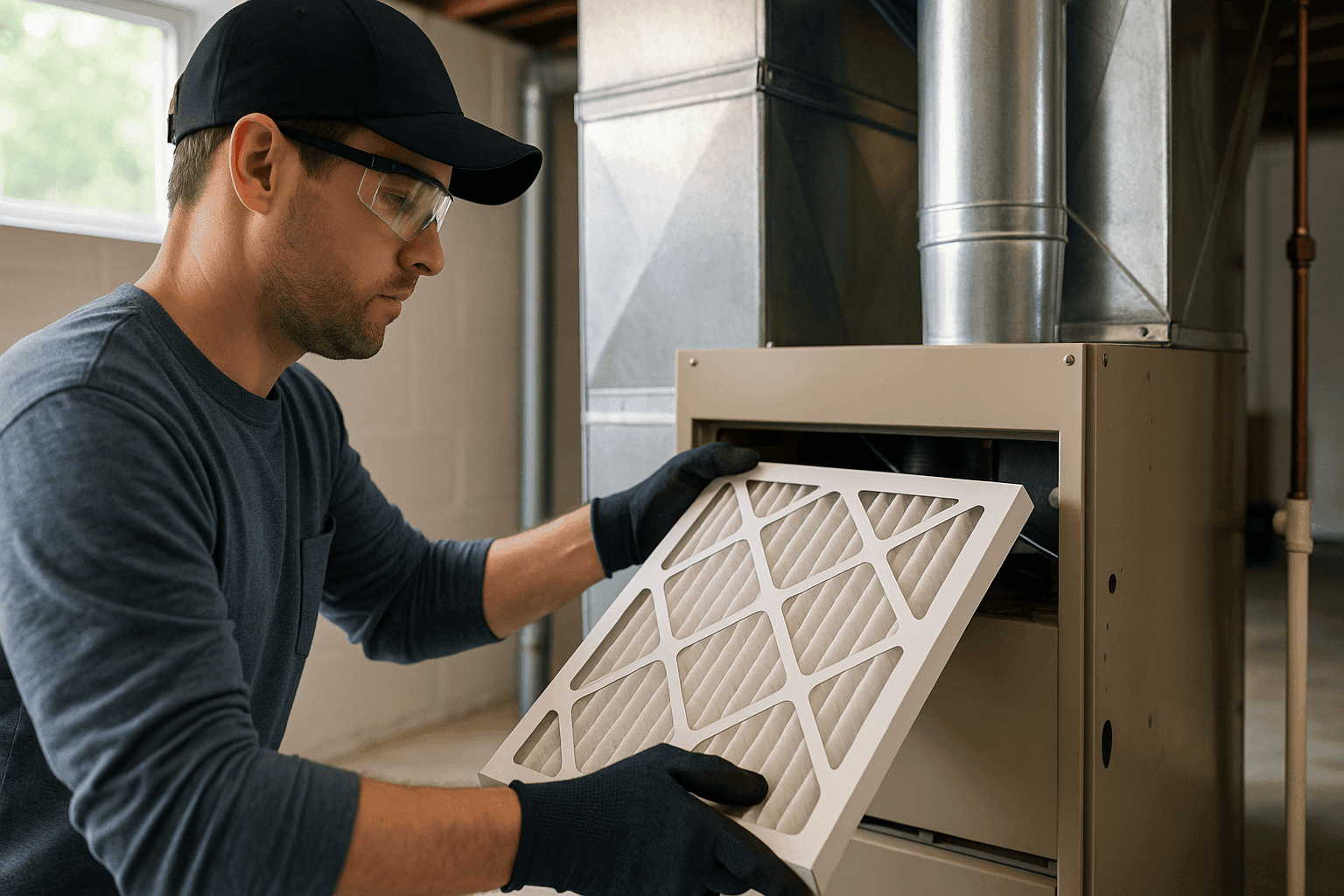
- Replace or Clean Filters: Clogged filters force your system to work harder. Most homes need a change every 1-3 months. Write it on your calendar!
- Check Vents and Registers: Vacuum away dust and make sure nothing’s blocking the warm air. Furniture, curtains, toys—clear their path.
- Test the Thermostat: Set it to heat and check if the furnace responds. If it’s acting up, try fresh batteries or call a pro for a closer look.
- Listen and Look: Odd noises or a flickering pilot light? Unusual smells? These are early warning signs.
Just like brushing your teeth keeps the dentist at bay, these habits keep the heating running with fewer surprises.
Annual Professional Inspections 🔧
Some furnace care is best left to the pros. An annual visit from Mills Heating & Air gives you peace of mind and checks off what you can’t see or safely do on your own.
A professional tune-up includes:
- Combustion and Gas Leak Checks: Safety first. We test for leaks and make sure the burner is running clean.
- Air Balancing: We measure and adjust airflow for even comfort in every room.
- Inspecting Electrical Components: Loose wires or worn parts can cause breakdowns or fire risks.
- Heat Exchanger Inspection: Cracks here can leak dangerous gases. We use specialized equipment to spot problems early.
- Lubricating Moving Parts: Less friction means a quieter, longer-lasting furnace.
- Checking Blower Motor and Belts: Prevents sudden breakdowns and noisy operation.
For homes with advanced systems like radiant heating, geothermal, or whole-house fans, regular checks ensure everything works in harmony.
Warning Signs You Shouldn't Ignore ⚠️
Don’t wait until you’re wrapped in blankets. If you spot any of these, it’s time to call for HVAC Repair near you:
- Strange, persistent noises (banging, screeching, rattling)
- Furnace cycles on and off rapidly (short cycling)
- Weak or cold airflow
- Rising heating bills with no change in use
- Soot or rust around the furnace
- Yellow or flickering burner flame (should be steady and blue)
- Unusual smells (burning, rotten eggs)
- Visible water around the furnace
These can signal anything from a dirty filter to a failing heat exchanger—some of which can be dangerous if ignored.
Safety First: Quick Checklist
- Install and test carbon monoxide detectors on every floor.
- Keep the area around your furnace clear—no boxes, paint cans, or clutter.
- Never store flammable items near heating equipment.
- Know where your gas shutoff valve is located.
- Schedule regular IAQ (Indoor Air Quality) testing.
The National Fire Protection Association recommends annual inspections to minimize risks.
DIY vs. Call a Pro
You can handle filter changes and vent cleaning. But when it comes to combustion analysis, electrical testing, or anything involving gas lines, trust a certified technician. Think of it like car care: you can check the oil, but you wouldn’t rebuild the engine yourself.
Common jobs for a pro:
- Combustion checks and leak testing
- Air balancing and duct inspection
- Electrical safety analysis
- Heat exchanger inspection
- Deep duct cleaning
- Upgrades (thermostats, filters, humidifiers, dehumidifiers, air scrubbers)
What Pros Do On Arrival
When you call Mills Heating & Air, here’s what a thorough tune-up typically looks like:
- Friendly greeting and safety review.
- Full inspection of system components—inside and out.
- Measurements of airflow, combustion, and temperature rise.
- Cleaning burners, sensors, and key parts.
- Checking and replacing filters, if needed.
- Testing thermostat, controls, and emergency shutoffs.
- Reviewing findings and making recommendations.
- Answering your questions—no rush, no pressure.
We reference manufacturer specs and follow state and national safety codes every step of the way.
Prevention & Maintenance Tips
- Mark your calendar for filter changes and annual checks.
- Consider a programmable thermostat to save energy.
- Upgrade to high-efficiency filters if allergies or pets are a concern.
- Schedule duct cleaning every few years for better airflow and indoor air quality.
- Don’t ignore small issues—address them before they grow.
The Department of Energy notes that regular maintenance can reduce heating bills by up to 15%.
Costs & Time Factors
Most professional furnace maintenance takes less than two hours—a small investment for a season of warmth. DIY tasks: 10–15 minutes a month.
Costs can vary depending on the system’s age, condition, and complexity. Emergency repairs or neglected furnaces? They cost more, and often strike at the worst possible time (think holidays or the coldest night of the year).
A little prevention is almost always cheaper than a big repair.
When It’s an Emergency
Call for help right away if:
- Your furnace stops working in freezing weather.
- You smell gas or suspect a leak (leave the house and call emergency services).
- Carbon monoxide alarms go off.
- You see visible flames or smoke.
Don’t risk it—your safety comes first.
FAQ
How often should I change my furnace filter?
Most homes need a filter change every 1–3 months. If you have pets or allergies, check monthly.
Do I really need yearly professional maintenance?
Yes. Annual inspections catch hidden problems early, improve efficiency, and are often required to keep warranties valid.
Can I clean my own ducts?
Surface cleaning is fine, but deep duct cleaning needs specialized tools. Leave that to a pro.
What’s the average lifespan of a furnace?
With regular care, most furnaces last 15–20 years. Neglect shortens their life—and bumps up your bills.
Local and Seasonal Considerations 🌦️
Seasons shift fast. Schedule your furnace check in early fall, before the first freeze. If you live where winters are long or harsh, consider more frequent filter checks and a mid-season tune-up.
Homes with high humidity, lots of pets, or older ductwork may need extra attention. Ask about whole-house fans, air scrubbers, or IAQ testing for even better comfort.
Stay warm, safe, and worry-free this winter. For furnace maintenance, HVAC Repair near you, or 24 hour emergency service, Mills Heating & Air is just a call away.
Call Mills Heating & Air now — or reach us anytime at 844-484-8493 .