How Much Does Heating Repair Cost? 2024 Homeowner Guide
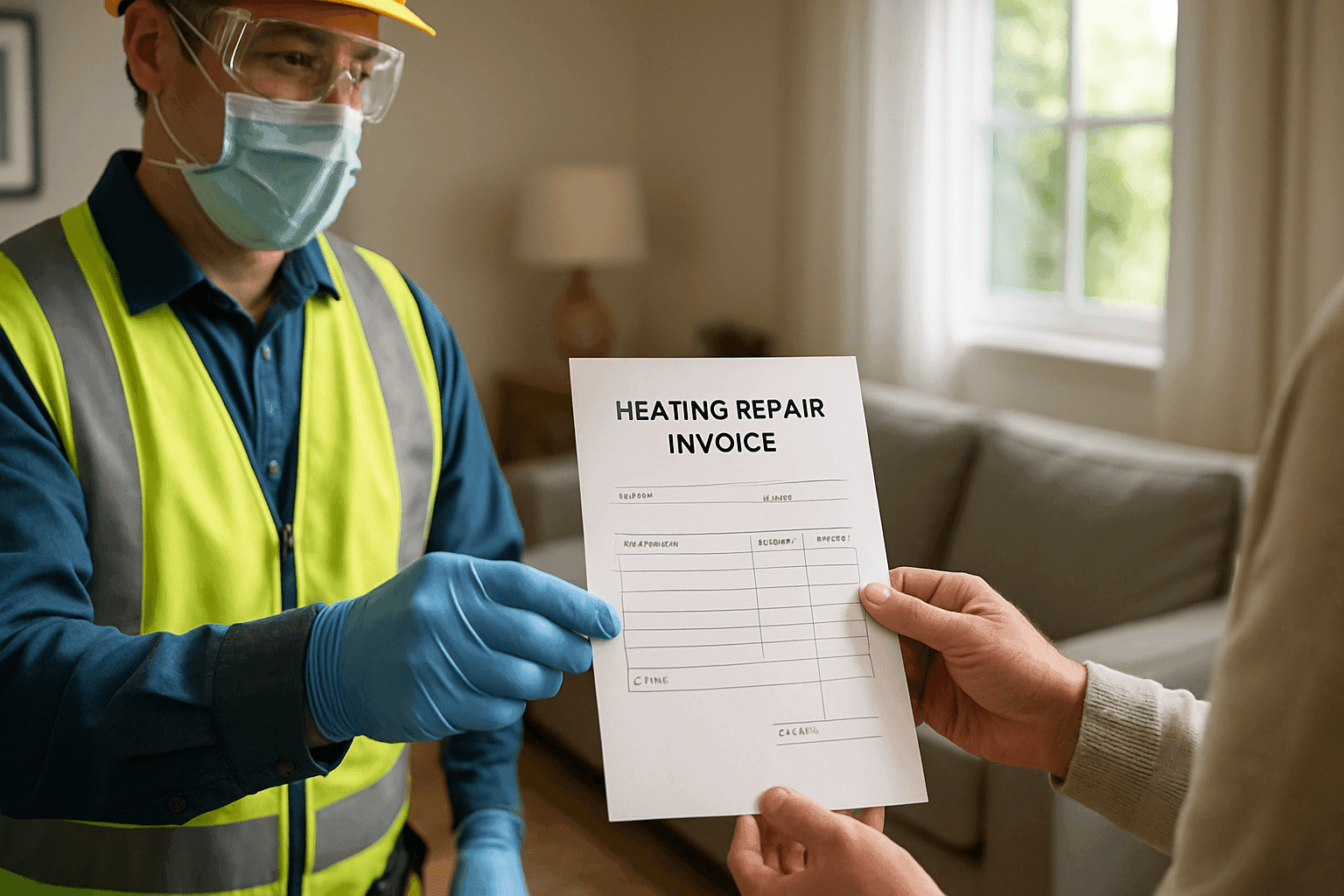
When your home turns cold and the heater won’t kick on, time slows to a crawl. You’re not alone. Every winter, thousands of homeowners scramble to get their heating systems working—fast. The big question always follows: How much will this heating repair cost me?
At Mills Heating & Air, we've seen it all. From worn-out furnaces to midnight emergencies, we’ve helped families restore warmth and safety. Here’s what you need to know about heating repair costs in 2024, so you can plan wisely and avoid nasty surprises.
Common Heating Repair Scenarios
Every heating system is different, but some problems pop up again and again. Here are the typical repair scenarios homeowners face:
- Furnace won’t start or keeps shutting off
- Blower runs constantly or not at all
- Strange noises—banging, squealing, or rattling
- Cold air blowing instead of heat
- Thermostat issues or faulty wiring
- Pilot light or ignition problems
Whether you rely on a gas furnace, heat pump, radiant heating, or geothermal, repairs follow a similar pattern: find the faulty part, replace or fix it, and test the system. But each scenario brings its own price tag.
Quick Safety Checklist 🛑
Before you do anything, keep safety first. Here’s a five-point safety checklist:
- Smell gas? Leave your home and call emergency services immediately.
- No heat and it’s freezing? Bundle up and use safe, alternative heat sources.
- Breaker tripped? Reset only if you know why it tripped.
- Carbon monoxide alarm? If it sounds, evacuate and call for help.
- Visible smoke or burning smell? Shut off your system and call a professional.
Never risk your family’s safety to save a few bucks—some heating problems are true emergencies.
Should You DIY or Call a Pro?
It’s tempting to grab a screwdriver and play hero. Sometimes, simple things like changing a filter or resetting a breaker are safe for most homeowners. But when it comes to:
- Wiring
- Gas connections
- Blower motors
- Heat exchangers
—DIY can get risky fast. According to the U.S. Consumer Product Safety Commission, improper heating repairs can cause fires, gas leaks, or carbon monoxide exposure. For anything more complex, always call a professional for HVAC repair near you.
What a Pro Does When They Arrive
When you call Mills Heating & Air or another licensed provider, here’s what you can expect:
- Thorough Inspection: The tech checks the thermostat, system controls, and visible components.
- Diagnostic Tests: Using meters and sensors, they pinpoint the problem—sometimes it’s not what you suspect.
- Clear Explanation: A reputable pro will explain the issue, show you options, and give an estimate before work begins.
- Safe Repairs: Only approved parts and methods are used, following codes like the International Residential Code (IRC).
- System Check: After repairs, the tech will test your system to make sure it’s running safely and efficiently.
How to Prevent Costly Repairs
The best repair is the one you never need. Here’s how to minimize breakdowns:
- Change filters regularly—usually every 1–3 months.
- Schedule annual heating maintenance before winter.
- Keep vents and registers clear of furniture or drapes.
- Listen for odd noises and address them early.
- Invest in IAQ testing and duct cleaning for healthier airflow.
- Install surge protectors to protect sensitive electronics in modern HVAC systems.
Preventive care doesn’t just save money. It keeps your family comfortable and helps your system last longer. The U.S. Department of Energy recommends annual professional checkups for all residential heating systems.
What Does Heating Repair Cost? 2024 Averages
Here’s the heart of the matter. How much will you pay for heating repair? There’s no single answer, but understanding the ranges helps set realistic expectations.
- Minor repairs: $100–$300 (thermostats, fuses, relays, minor adjustments)
- Moderate repairs: $300–$800 (blower motors, igniters, circuit boards)
- Major repairs: $800–$2,500+ (heat exchangers, compressors, major component replacement)
System type affects price:
- Gas furnaces tend to be less expensive to repair than geothermal systems.
- Radiant heating and hydronic boilers can cost more due to specialized parts.
- Geothermal systems, while energy efficient, average higher repair bills.
Parts, labor, and urgency all factor in. Emergency or after-hours calls typically cost 25–50% more than scheduled visits.
What Drives the Price Up or Down?
- Age of system: Older systems may need rare parts or more labor.
- Type of repair: Simple fixes cost less; complex parts or gas line work cost more.
- Urgency: Emergency calls bump up the bill.
- Location of unit: Hard-to-reach systems require more time.
- Brand/model: Some brands have pricier proprietary parts.
Don’t be surprised if your final invoice reflects more than just the part replaced. Time, travel, and diagnostic skill all matter.
Emergency vs. Scheduled Repairs 🚨
When the temperature drops below freezing and your heat fails, it’s a true emergency. Emergency service means faster response—but with higher costs.
- Emergency repairs: Nights, weekends, or holidays may add $100–$400 to the base rate.
- Scheduled repairs: Cheaper, and you can plan for them.
If you can safely wait, scheduling a regular visit will save you money. But never delay repairs that risk safety—such as gas leaks or total heat loss in extreme cold.
Questions to Ask Your Heating Provider
Before you approve any repair, ask these questions:
- What is causing the problem?
- Are there options for repair vs. replacement?
- What will the total cost be, including labor and parts?
- Are all repairs up to code and manufacturer recommendations?
- How long will the repair take?
- Is the part under warranty?
Clear answers help you avoid hidden fees and spot red flags, like vague pricing or pressure to buy unnecessary upgrades.
Frequently Asked Questions
How long should a home heating system last?
Most furnaces and heat pumps last 10–20 years with regular maintenance. Older systems may need more frequent repairs.
What’s the most expensive part to replace?
Heat exchangers, compressors, and circuit boards are usually the priciest parts. Labor costs can add up if units are hard to access.
Is it better to repair or replace my furnace?
If your system is over 15 years old and needs frequent or costly repairs, replacement may be more cost-effective in the long run. A technician can walk you through the pros and cons.
How can I make my heating repairs less expensive?
Regular maintenance, prompt filter changes, and addressing small issues early can prevent big, expensive breakdowns.
Local and Seasonal Factors to Consider ❄️
Heating repair costs can spike during the coldest months, when demand is high. Snow, ice, or storm damage can make repairs more urgent and increase wait times. In some regions, older homes may have outdated systems that require special attention.
If you live in an area with severe winters, consider a home energy audit or upgrading to a whole-house fan or programmable thermostat for efficiency. Regional building codes and safety standards may also impact repair options—always hire a provider familiar with local regulations.
A cold house is stressful, but you don’t have to face it alone. Mills Heating & Air is here to help with safe, transparent, and timely HVAC repair near you.
Call Mills Heating & Air now — or reach us anytime at 844-484-8493 .