Heating Repair 101: How to Troubleshoot Before You Call
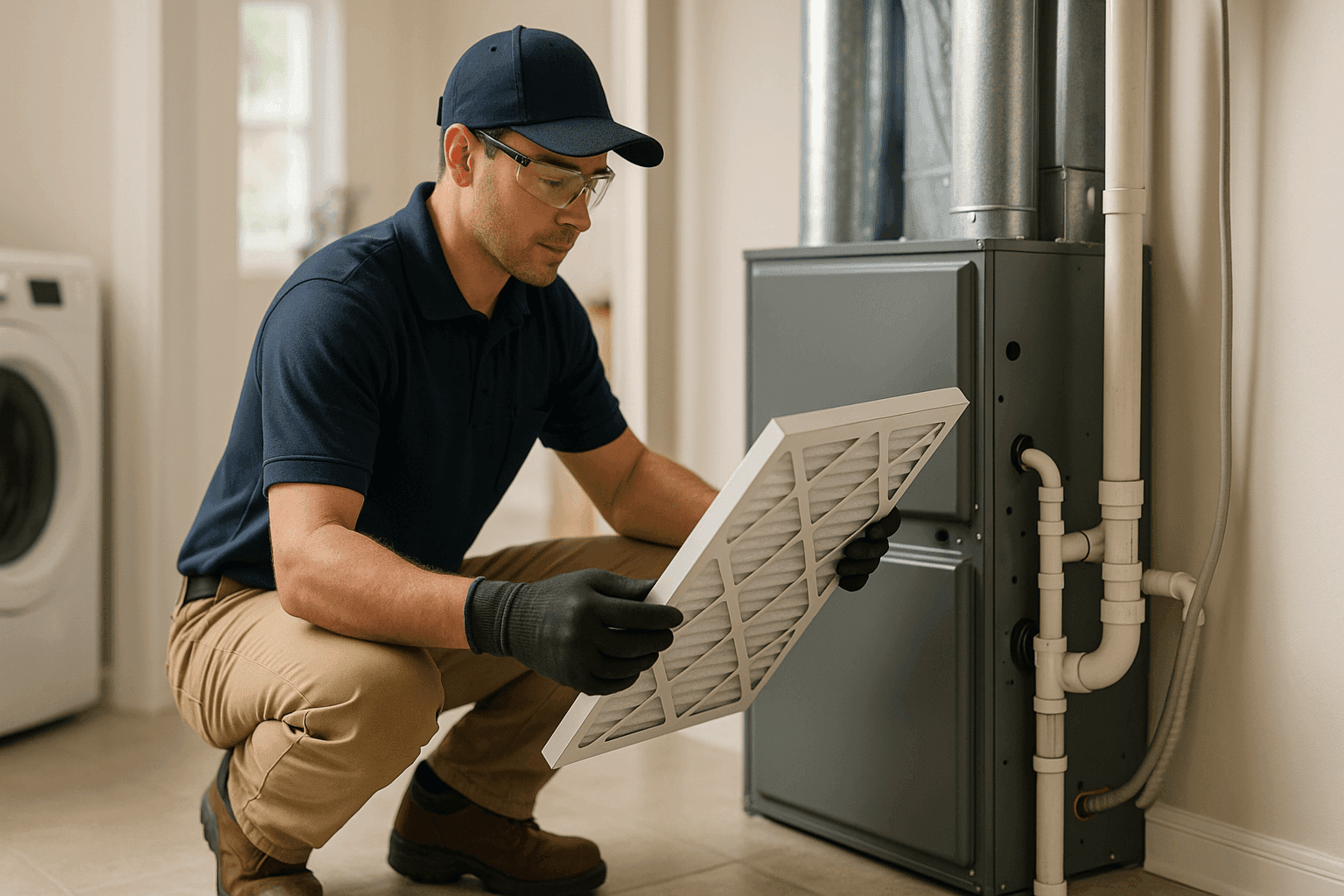
Is there anything worse than waking up to a cold house in the middle of winter? Your heating system has a job to do, but sometimes, it throws you a curveball—right when you need it most. At Mills Heating & Air, we see this every year, especially during the first real cold snap or over the holidays, when emergencies hit hardest.
Before you pick up the phone for HVAC Repair near you, there are simple, safe things you can check. Think of it like checking the oil before taking your car to the shop—it doesn’t fix everything, but it gives you clarity and helps your service technician get you warm, faster.
Safety First: Power and Thermostat Checks 🔌
Let’s start at square one. When your heating system isn’t working, safety and basics come first. The U.S. Consumer Product Safety Commission recommends verifying power and controls before inspecting any heating equipment.
- Check the Thermostat: Is it set to “heat”? Sometimes, it’s as simple as an accidental bump that switches it off or knocks the temperature down.
- Replace Batteries: If you have a digital thermostat and the display is blank or fading, swap in fresh batteries.
- Circuit Breaker: Head to your electrical panel. Is the furnace switch flipped to “off” or tripped? Reset it once—if it trips again, stop and call a professional.
- Furnace Switch: Many systems have a light switch nearby that controls power to the unit. It looks like a regular switch and is easy to bump accidentally.
Never try to open panels or touch wiring. If you smell gas or see sparks, leave the house immediately and call emergency services.
Inspecting Filters and Vents
Think of your heating system like lungs. If the airways are blocked, it can’t breathe—or heat—properly.
- Air Filters: Clogged filters are one of the most common culprits. Manufacturers like Carrier and Trane recommend checking filters monthly and replacing them every 1–3 months. If it’s gray, dusty, or bent, swap it out.
- Vents and Registers: Walk through your home. Are any supply or return vents blocked by furniture, rugs, or stacks of holiday boxes? Open them up for better airflow.
- Outdoor Units (Heat Pumps): If you have a heat pump, brush away leaves, snow, or debris. Never chip away ice—leave that to a pro.
A clean filter and clear vents help more than you might think—sometimes, it’s all you need to restore warmth.
Spotting Common Warning Signs 🕵️♂️
Not every heating hiccup is a DIY fix. Here’s what to watch for:
- Unusual Noises: Banging, rattling, or high-pitched squeals can signal mechanical issues.
- Strange Smells: A burning dust smell is normal at first startup, but a sharp, metallic, or rotten egg odor is a red flag.
- Short Cycling: Furnace turns on and off rapidly? This can be a sign of overheating or a failing component.
- No Heat at All: If the blower runs but there’s no warmth, or the system stays silent, it’s time to dig deeper—or call in help.
Write down what you notice. It helps your HVAC technician diagnose the issue faster when they arrive.
When to Call a Pro
Some fixes are out of reach for even the most diligent homeowner. According to the National Fire Protection Association (NFPA), heating equipment malfunctions are a leading cause of home fires—so don’t risk it.
Call for professional HVAC Repair near you if:
- You smell gas or suspect a leak.
- The breaker keeps tripping.
- The furnace or heat pump won’t turn on, even after basic checks.
- You hear loud or alarming noises.
- You see water pooling near your furnace or air handler.
- There’s a burning smell that doesn’t go away after a few minutes.
Trying to repair igniters, gas valves, or electrical parts without training is dangerous. When in doubt, safety comes first.
What Pros Do On Arrival
When a certified technician from Mills Heating & Air arrives, they’ll start with a safety inspection. Here’s what to expect:
- Comprehensive Diagnostics: Using industry tools, they’ll check voltage, ignition, airflow, and temperature differentials.
- Code Compliance: Repairs and replacements are made to manufacturer specs and local building codes.
- Clear Explanations: You’ll get a breakdown of what went wrong and the recommended solution—no jargon, just facts.
- Options: Sometimes, you’ll have choices for repair or replacement, depending on the age and condition of your system.
Bringing notes about what you checked, when the problem started, and any unusual sounds or smells will speed up the visit.
Prevention & Maintenance 🛠️
A little care goes a long way—like changing the oil in your car, routine HVAC maintenance keeps things running smoothly.
- Change Filters Regularly: As recommended by the manufacturer.
- Schedule Annual Service: Even if nothing seems wrong, an annual check-up helps catch small issues before they grow.
- Test Before Cold Weather Hits: Fire up your system early in the season to spot problems before you need heat.
- Keep Vents Clear: Make it part of your home cleaning routine to check for blockages.
The Environmental Protection Agency (EPA) recommends annual maintenance for all HVAC systems to ensure safety and efficiency.
Costs & Time Factors
No two heating repairs are exactly alike, but here’s what you can generally expect:
- Simple Fixes: Replacing a filter or resetting the thermostat is a quick and low-cost task.
- Professional Repairs: Most service calls last 1–2 hours, depending on the problem and the type of system.
- Parts: If replacement parts are needed, timing depends on availability—some are stocked on the truck, others may take a day or two.
Remember, fast diagnosis saves time—and that starts with clear information from you.
When It’s an Emergency 🚨
If your heating stops during a cold snap, don’t wait. Infants, older adults, and pets are especially vulnerable to low temperatures.
Call for urgent help if:
- Indoor temperatures drop rapidly and you can’t stay warm.
- You smell gas or see smoke.
- You hear alarms (CO detectors or smoke alarms).
For after-hours or holiday emergencies, Mills Heating & Air offers 24 Hour Emergency Service.
FAQ
Q: My furnace runs, but there’s no heat. What should I check first?
A: Check the thermostat setting, power switch, and filter. If all are correct and it still doesn’t heat, call a pro.
Q: How often should I replace my air filter?
A: Most manufacturers recommend every 1–3 months, but check monthly if you have pets or allergies.
Q: Is it safe to reset the breaker more than once?
A: No. If the breaker trips again, there’s likely a deeper issue—call for professional service to prevent damage or hazards.
Q: What’s the best way to prepare my heating system for winter?
A: Schedule a professional tune-up, change filters, and test the system early—before temperatures plummet.
Local and Seasonal Considerations
The risk and urgency of heating repairs spike during deep freezes and holidays, when systems work overtime and waitlists grow. Testing your heating before the season starts can help avoid emergencies. If you’re away for the holidays, set your thermostat to at least 55°F to prevent frozen pipes.
Remember, safety isn’t seasonal—always follow manufacturer instructions and never attempt repairs that require disassembly or special tools.
If your home isn’t heating up, don’t wait in the cold. Call Mills Heating & Air now — or reach us anytime at 844-484-8493 .