Maximizing Home Comfort: The Ultimate Guide to Heating System Maintenance
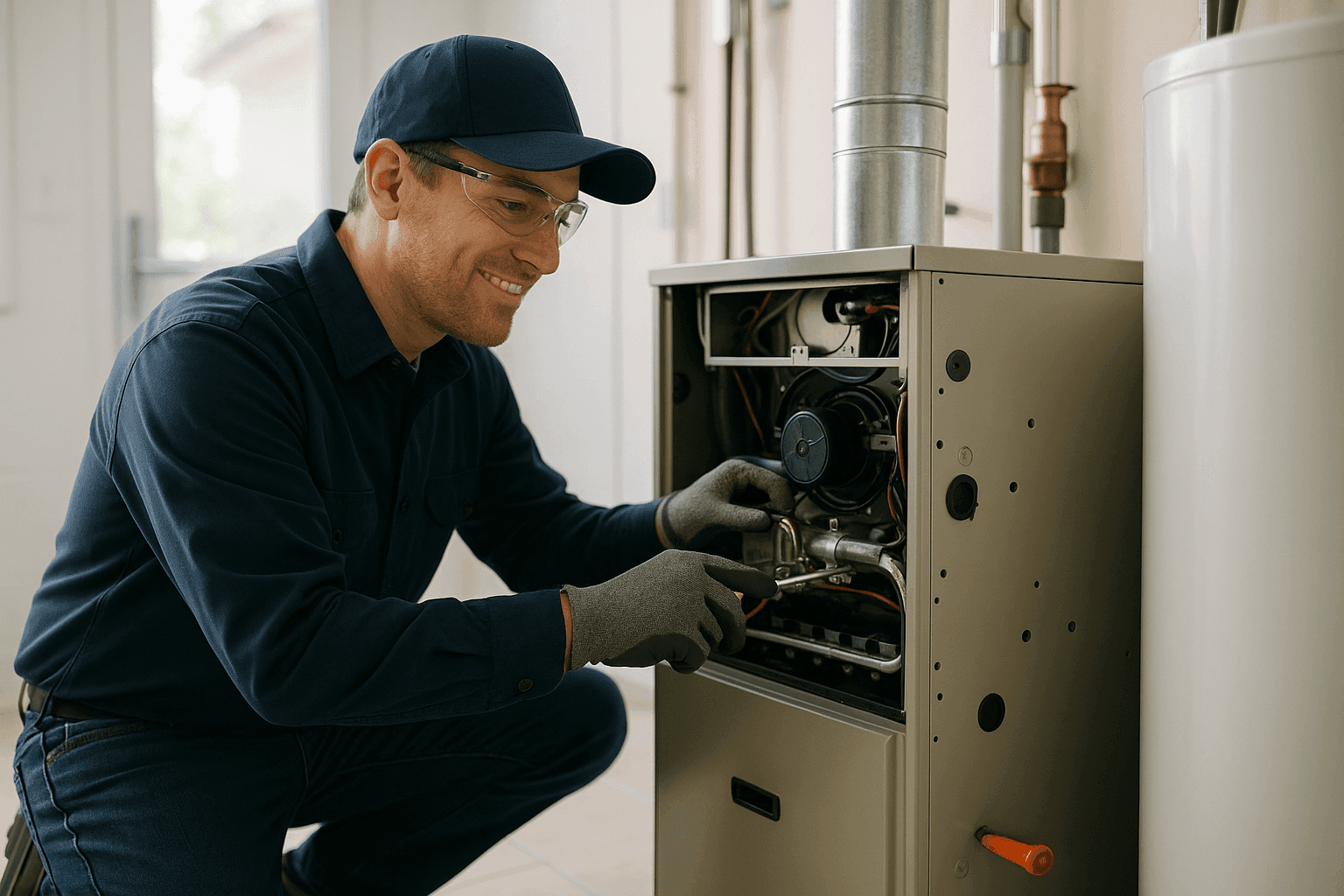
Is there anything more unsettling than waking up to a freezing house on a winter morning? Or hearing your furnace groan and sputter when you need it most? At Mills Heating & Air, we know how critical a reliable heating system is for your comfort and peace of mind—especially when the unexpected strikes.
Whether you’re a homeowner or a small business owner, your heating system works hard behind the scenes. Routine maintenance is the unsung hero that keeps breakdowns at bay and energy bills in check. Let’s walk through the essential steps to keep your heating system humming, your indoor air fresh, and your family or employees comfortable—no matter what the weather brings.
Why Regular Heating Maintenance Matters 🛠️
Think of your heating system like your car. Without regular oil changes, things start to wear out, run rough, and eventually break down. The same goes for your furnace, heat pump, or radiant heater.
Here’s why routine maintenance should be part of your annual plan:
- Lower Energy Bills: A clean, well-tuned system uses less energy to heat your space. According to ENERGY STAR, regular maintenance can improve efficiency by up to 15%.
- Fewer Breakdowns: Small issues caught early prevent big, costly repairs down the road. The U.S. Department of Energy notes most heating failures are due to neglect.
- Longer Equipment Life: Just like changing the oil in your car, cleaning filters and checking components helps your system last longer.
- Safer Operation: Faulty heating systems can lead to dangerous gas leaks or carbon monoxide exposure. Annual checks help keep your system—and your family—safe.
Skipping maintenance is like rolling the dice with your comfort and safety. It’s just not worth the risk.
Seasonal Maintenance Checklist
Each season brings its own set of challenges for your heating system. Here’s a practical checklist to help you stay ahead:
Fall: Prepare for the Cold
- Replace or clean air filters.
- Inspect and test your thermostat for accuracy.
- Check carbon monoxide detectors and smoke alarms.
- Clear vents and registers of dust and obstructions.
- Schedule a professional inspection and tune-up before peak heating season.
Winter: Stay Vigilant
- Listen for unusual noises (rattling, banging, whistling).
- Monitor your energy bills for sudden spikes.
- Keep vents and exhausts clear of snow or debris.
- Check for drafts around windows and doors.
- Make sure emergency heating contacts are handy.
Spring: Wind Down Safely
- Change filters after heavy use.
- Inspect ducts for dust buildup or leaks.
- Clean around the furnace or boiler.
- Schedule duct cleaning if you notice excess dust or allergy symptoms.
Summer: Off-Season Prep
- Consider a full system inspection to catch hidden issues.
- Clean or replace filters if your HVAC system runs year-round.
- Inspect and clean humidifiers and dehumidifiers.
- Review last season’s performance—did you notice any problems?
DIY vs Professional Service: Know When to Call the Experts
Some maintenance tasks are simple and safe for most homeowners or business owners. But others require a trained eye and specialized tools. Here’s a quick breakdown:
What You Can Do
- Change filters monthly or as recommended by the manufacturer.
- Keep vents and registers free from dust and obstructions.
- Check your thermostat settings and replace batteries if needed.
- Wipe down accessible components to prevent dust buildup.
When to Call a Professional
- Annual system inspections and tune-ups.
- Duct cleaning and indoor air quality testing.
- Diagnosing strange noises, smells, or performance issues.
- Repairs involving gas lines, electrical work, or refrigerants.
- Emergency heating repairs—especially if you notice smoke, burning smells, or no heat at all.
Certified technicians, like those at Mills Heating & Air, follow safety standards set by organizations such as the Air Conditioning Contractors of America (ACCA) and the National Fire Protection Association (NFPA).
Common Warning Signs of Heating System Issues ⚠️
Catching problems early can mean the difference between a quick fix and a costly emergency. Watch for these signs:
- Unusual Noises: Banging, clanking, or squealing can signal worn parts or airflow problems.
- Uneven Heating: Cold spots or rooms that never warm up point to duct or thermostat issues.
- Strange Smells: Musty or burning odors may mean dust buildup, electrical problems, or even a gas leak.
- Frequent Cycling: If your system turns on and off repeatedly, it may be overheating or struggling to maintain temperature.
- Rising Energy Bills: A sudden jump in costs often means your system is working harder than it should.
If you notice any of these, don’t wait. Quick action can prevent more serious issues—and keep you comfortable.
Improving Indoor Air Quality Through Maintenance 🌬️
Your heating system does more than just keep you warm. It also affects the air you breathe every day.
Regular maintenance helps:
- Reduce Allergens: Clean filters trap dust, pollen, and pet dander.
- Prevent Mold Growth: Duct cleaning and humidity control stop mold before it starts.
- Remove Odors: Air scrubbers and fresh filters clear out lingering smells.
- Balance Humidity: Proper use of humidifiers and dehumidifiers keeps air comfortable and healthy.
The Environmental Protection Agency (EPA) recommends regular filter changes and duct inspections as part of a healthy home routine. Clean air means fewer sick days, better sleep, and a more comfortable living or working environment.
DIY vs Professional Service: When to Roll Up Your Sleeves—and When to Call Mills Heating & Air
Changing a filter or wiping down a vent? Go for it. But if you’re ever unsure, it’s always safer to call in the pros. Certified technicians have the training, tools, and experience to spot hidden issues and keep your system running safely.
What Pros Do On Arrival
When you schedule a maintenance visit or emergency heating repair, here’s what a certified technician typically checks:
- Inspect heat exchangers for cracks or corrosion.
- Test safety controls and electrical connections.
- Clean burners, blower motors, and ignition systems.
- Check gas pressure and fuel lines.
- Calibrate thermostats and check system controls.
- Evaluate ductwork for leaks and airflow issues.
- Replace or clean filters as needed.
These steps follow guidelines from organizations such as the North American Technician Excellence (NATE) and the Occupational Safety and Health Administration (OSHA).
Prevention & Maintenance: Building Good Habits
A few simple habits can make a big difference in system performance and comfort:
- Set calendar reminders for filter changes.
- Keep the area around your furnace or heat pump clear.
- Schedule annual maintenance before peak heating season.
- Don’t ignore small issues—address them early.
Remember, a little care goes a long way. Like brushing your teeth, regular attention keeps things running smoothly.
Costs & Time Factors
Heating system maintenance doesn’t have to break the bank—or eat up your weekend. Most routine checks take 1–2 hours. Professional tune-ups, depending on the complexity of your system, may take a little longer.
Costs vary based on system type, age, and any repairs needed. Investing in annual maintenance often saves money by preventing major breakdowns and keeping energy bills lower.
When It’s an Emergency 🚨
Sometimes, things go wrong at the worst possible moment. Here’s when to treat a heating issue as an emergency:
- No heat during freezing temperatures.
- Strange or burning smells from vents or the furnace.
- Carbon monoxide alarms sounding.
- Visible smoke or sparks.
- Gas leaks (leave the area and call emergency services immediately).
Mills Heating & Air offers 24/7 emergency heating support, so you’re never left in the cold. Keep our number handy—you never know when you’ll need it.
FAQ
How often should I change my furnace filter?
Most filters should be changed every 1–3 months. Check your manufacturer’s guidelines and adjust for pets, allergies, or heavy use.
Is annual professional maintenance really necessary?
Yes. Annual inspections catch small issues before they become big problems, improve efficiency, and keep your warranty valid.
Can I clean my ducts myself?
Light dusting around vents is fine, but professional duct cleaning is recommended for a thorough job and to avoid damaging your system.
What’s the best way to improve indoor air quality?
Regular filter changes, duct cleaning, and using air scrubbers or humidifiers all contribute to healthier indoor air.
Special Considerations for Heating System Maintenance
Every building is unique. Older homes may have legacy systems that need extra care. Commercial spaces often require more frequent filter changes and specialized air balancing. If you have radiant heating, geothermal, or advanced air quality systems, always consult with a technician familiar with those technologies.
Routine maintenance isn’t just about comfort—it’s about safety, efficiency, and protecting your investment. At Mills Heating & Air, our certified technicians are ready to help with everything from routine tune-ups to emergency heating repairs, 24 hours a day.
Call Mills Heating & Air now — or reach us anytime at 844-484-8493 .