How to Improve Indoor Air Quality with Your Heating System
Is your home’s air as fresh as a spring morning? Or does it feel stuffy, stale, and leave you sneezing? You’re not alone—many homeowners worry about what’s floating around in their air, especially during heating season.
At Mills Heating & Air, we know your heating system is more than just a comfort machine. It’s the heart of your home’s air quality. If you want cleaner air and healthier breathing, your heating system is a great place to start.
Heating System Upgrades for Better IAQ
Not all heating systems are created equal. Some barely filter dust. Others can scrub out pollen, dander, and even germs. It’s like comparing a thin mesh screen to a fortress wall—both keep some things out, but one is much stronger.
Here’s how you can help your heating system support cleaner indoor air:
- High-Efficiency Filters: Upgrading to a filter with a higher MERV (Minimum Efficiency Reporting Value) captures more particles—dust, pollen, even some bacteria. For most homes, a filter rated MERV 8–13 works well. The U.S. Environmental Protection Agency (EPA) recommends these for improving air quality without putting too much strain on your system.
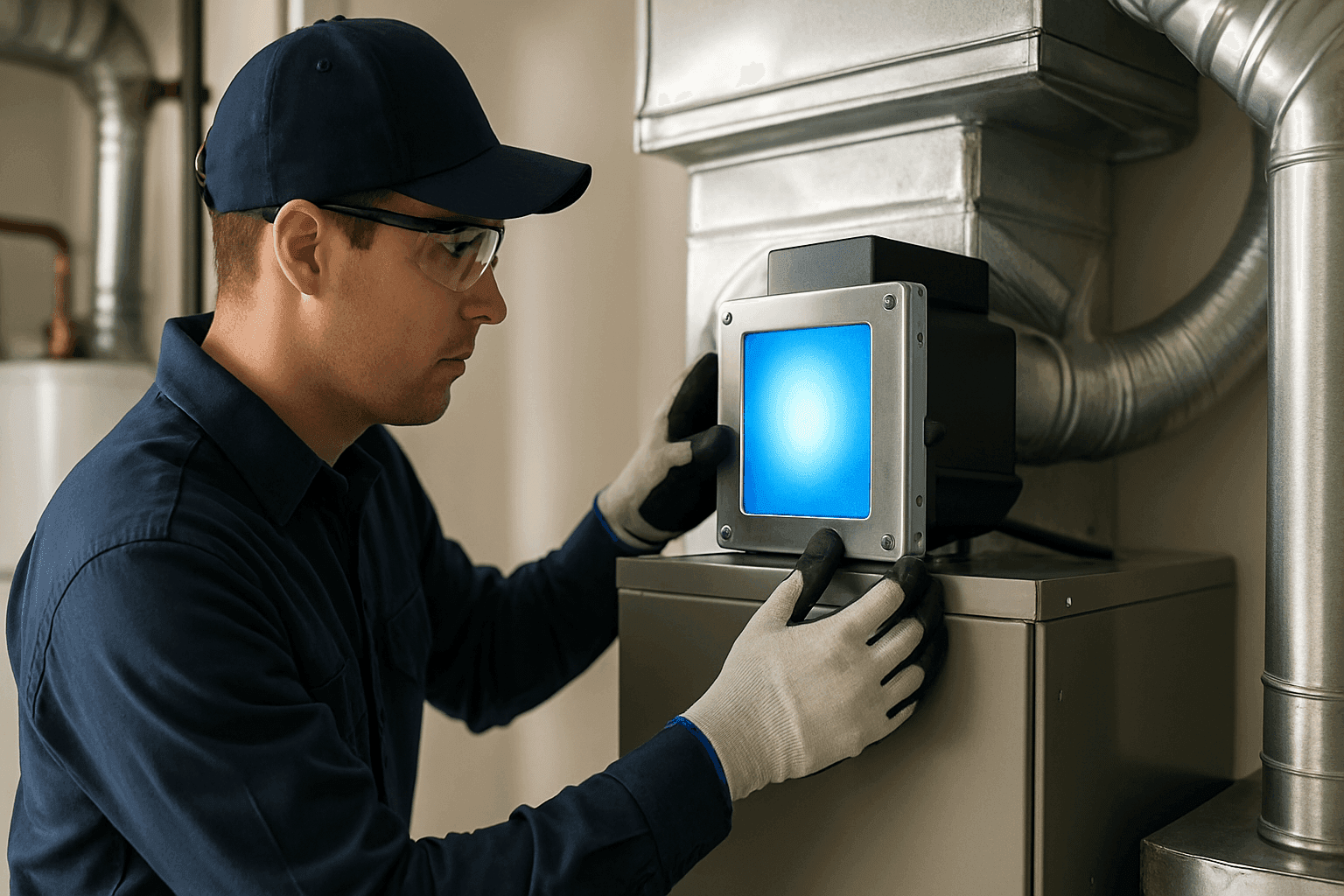
- Air Scrubbers: These devices connect directly to your ductwork. Think of them as air “washing machines”—they use ultraviolet light or special filters to break down odors, germs, and even some volatile organic compounds (VOCs).
- Whole-House Fans and Balanced Airflow: Proper air balancing makes sure every room gets the right amount of warm, filtered air—no more musty corners or cold spots.
- Duct Cleaning: Over time, dust and debris settle in your ducts. Cleaning them out means you’re not just recirculating old dust every time the heat kicks on.
If you’re considering an upgrade, always check for UL-listed products and follow local building codes. Professional installation makes sure you get the performance you expect—safely. 🛠️
Why Routine Filter Replacement Matters
Think of your heating filter as a coffee filter for your air. If it’s clogged, nothing flows right—and your air can get bitter fast.
A dirty filter:
- Makes your heating system work harder, wasting energy.
- Lets dust, mold spores, and pet dander sneak back into your air.
- Can shorten the lifespan of your equipment.
How often should you change it? Most manufacturers suggest every 1–3 months. If you have pets, allergies, or a busy household, monthly checks are smart. The American Society of Heating, Refrigerating, and Air-Conditioning Engineers (ASHRAE) backs these recommendations for both performance and air quality.
Pro tip: Write the date of replacement right on the filter. It’s a simple trick to keep you on schedule.
Humidity Control and Allergens
Ever notice how some houses feel dry and itchy in winter? Or how basement air can feel swampy in summer? That’s humidity at work.
Your heating system can help balance this:
- Humidifiers add moisture when the air gets too dry. This helps keep your nose, skin, and even wood furniture happier.
- Dehumidifiers pull excess moisture out, stopping mold and dust mites before they start.
Keeping indoor humidity in the sweet spot—between 30% and 50%, as recommended by the Centers for Disease Control and Prevention (CDC)—can cut down on allergens and keep your home feeling just right. 🌬️
Quick Safety Checklist
Before making changes to your heating system, run through this list:
- Turn off power before you replace filters or open any panels.
- Only use filters and add-ons rated for your exact system model.
- Keep vents and returns clear—don’t block them with furniture or rugs.
- Watch for warning signs: burning smells, odd noises, or uneven heating.
- Read the owner’s manual, especially for humidifiers and air scrubbers.
If you’re ever unsure, it’s safest to call a licensed HVAC technician.
DIY vs. Call a Pro
Some jobs are great for handy homeowners:
- Swapping out filters.
- Wiping down vents and registers.
- Checking that your thermostat is set right.
But when it comes to:
- Installing air scrubbers or UV lights,
- Balancing airflow,
- Deep duct cleaning,
- Or anything inside the furnace or electrical panels,
…it’s time to bring in a pro. HVAC technicians are trained to spot hidden leaks, unsafe wiring, and make sure upgrades meet safety codes.
What Pros Do On Arrival
When you schedule HVAC repair near you, here’s what a qualified technician from Mills Heating & Air will typically do:
- Inspect your filter and recommend the right type for your home and allergies.
- Test your indoor air quality (IAQ) with specialized meters.
- Check ducts for dust buildup, leaks, or mold.
- Evaluate your system’s airflow and balance.
- Review humidity levels and suggest the right humidifier or dehumidifier.
- Clean, calibrate, and tune-up your heating system for safe, efficient performance.
All work follows the latest National Fire Protection Association (NFPA) and EPA guidelines.
Prevention & Maintenance
The best way to keep your air healthy? A little attention, all year long. Here’s what helps:
- Change filters regularly—mark your calendar.
- Book professional maintenance at least once a year.
- Keep vents, ducts, and registers dust-free.
- Ask for an IAQ test if you’ve had recent renovations, water leaks, or family health changes.
- Consider upgrading to a programmable thermostat to better control temperature and humidity.
Routine care keeps your air fresher and your heating system humming.
Costs & Time Factors
Wondering about the investment? Here’s what to expect (typical ranges—actual costs vary):
- High-efficiency filters: Slightly more than standard, but affordable and available at most hardware stores.
- Professional duct cleaning: Can take 2–4 hours for a typical home.
- Air scrubber or humidifier installation: Usually a half-day job with minimal disruption.
- Annual IAQ test or energy audit: Often completed in one visit.
Most upgrades pay off over time with lower energy bills, fewer allergy symptoms, and a longer-lasting heating system.
When It’s an Emergency
Some indoor air problems can’t wait:
- Sudden burning smells or smoke from vents.
- Carbon monoxide alarms sounding (always leave the house and call 911).
- Unexplained headaches, dizziness, or allergy flare-ups after turning on the heat.
If you suspect a serious issue, call for 24 hour emergency service immediately. Safety always comes first.
FAQ
How do I know if my heating system is hurting my air quality?
Look for signs like more dust, stuffy rooms, or allergy symptoms that get worse when the heat runs. An IAQ test can pinpoint hidden problems.
What’s the best filter for allergies?
Filters rated MERV 11–13 catch most common allergens. If you or your family have severe allergies, ask about HEPA add-ons.
Can heating maintenance really help my indoor air?
Absolutely. A clean, well-maintained system moves air more efficiently and traps more contaminants. It’s like regular oil changes for your car—small steps, big results.
Local/Seasonal Considerations
In winter, homes get sealed tight, trapping dust and allergens inside. Spring and fall are the best times for HVAC maintenance and filter upgrades—before you lean hard on your heating or cooling.
If you’ve had construction nearby or wildfire smoke in the region, ask about extra air cleaning options.
Ready to breathe easier at home?
Call Mills Heating & Air now — or reach us anytime at 844-484-8493 .