How to Hire the Right Heating Contractor: 7 Essential Questions
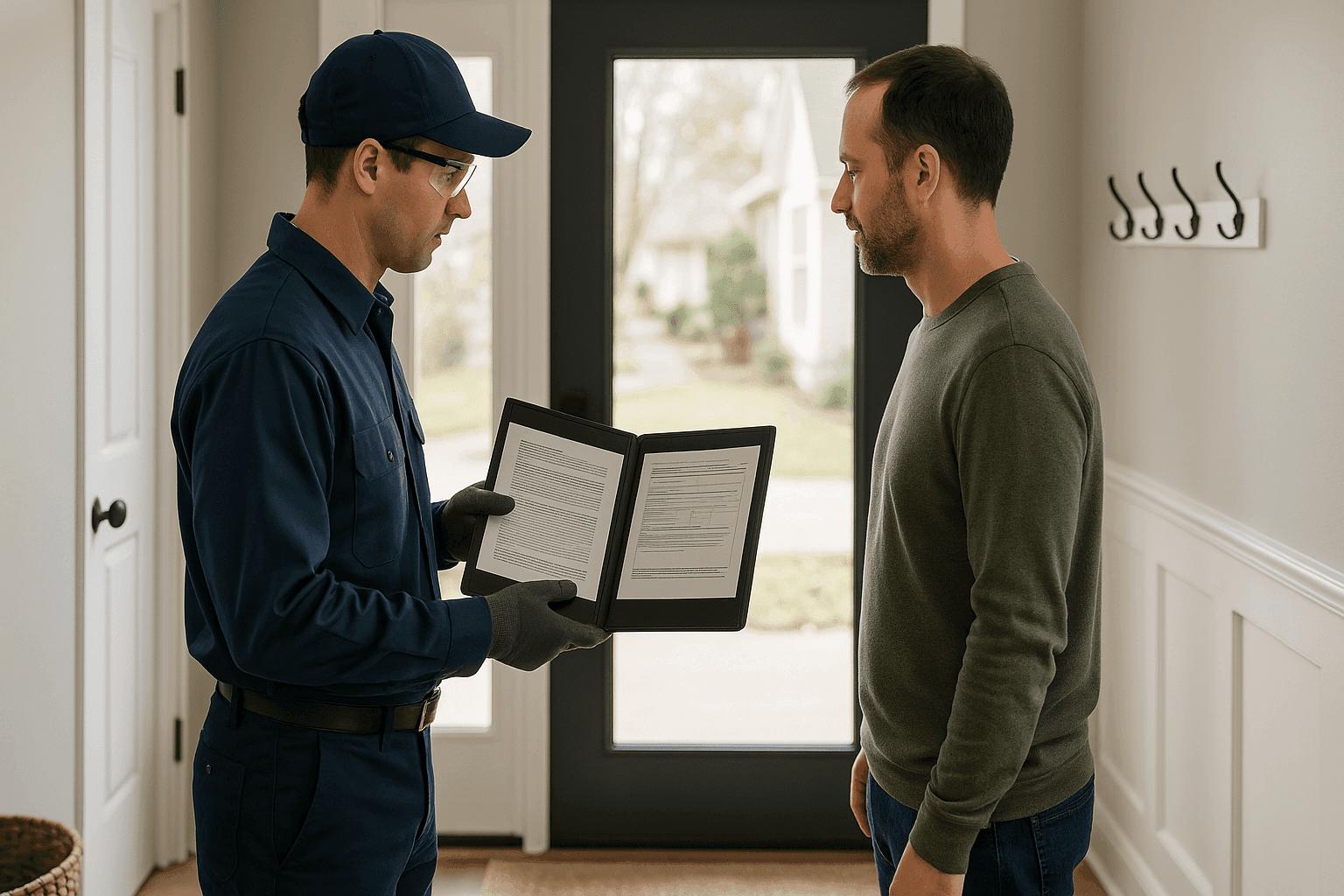
When your home turns chilly, finding the right heating contractor feels urgent—and overwhelming. One wrong move and you could be left with a drafty house, a sky-high bill, or a job half-done. At Mills Heating & Air, we believe everyone deserves to feel comfortable and confident when searching for HVAC repair near you.
Before the next cold snap, empower yourself with the right questions. Here’s how to take the guesswork out of hiring a heating pro—so your home stays warm and your mind stays at ease.
Must-Ask Questions for Your Contractor 🔍
Not all heating contractors are created equal. Before handing over your keys (and your trust), make sure to ask:
- Are you licensed and insured for HVAC work in my area?
- How much experience do you have with systems like mine?
- Can you provide recent references from residential jobs?
- What is included in your estimate, and are there potential extra costs?
- What brands or equipment do you recommend—and why?
- Who will be performing the work? Is it in-house or subcontracted?
- What are your service protocols in case of emergencies or follow-ups?
These questions help you see beyond the marketing—the same way you’d want to peek under the hood before buying a used car. If a contractor hesitates or dodges, it’s a sign to keep looking.
What Credentials Matter?
Credentials aren’t just paperwork—they’re your first firewall against costly mistakes.
- State & Local Licensing: Every heating contractor should carry a valid license for your state. No exceptions. This means they’ve met basic training and code requirements (check with your state’s contractor board or the International Code Council).
- Insurance: General liability and worker’s compensation insurance should be up to date. This shields you from surprise bills in case of accidents or property damage.
- Certifications: Look for NATE (North American Technician Excellence), EPA Section 608 (for refrigerant handling), or similar industry credentials. These show technical know-how and commitment to safe practices.
- Permits: For major work—like new furnace installation or duct changes—a reputable contractor will handle all local permits and inspections.
Don’t be afraid to ask for proof. A true professional will expect it.
Spotting Red Flags 🚩
Sometimes, what a contractor doesn’t say speaks loudest. Watch out for:
- Vague or missing estimates. Every line item should be clear—parts, labor, equipment, and what’s excluded.
- Pressure tactics. No contractor should rush your decision or push a “today only” deal.
- Refusal to show credentials. If they dodge your questions, imagine how they’ll handle surprises on the job.
- No physical address or established presence. Reputable HVAC repair near you should have more than just a phone number or a truck.
- Poor reviews with unresolved complaints. Check with the Better Business Bureau or your local consumer protection office for any red flags.
Trust your gut. If something feels off, get a second opinion.
Ensuring Long-Term Support
A heating system isn’t a “set it and forget it” appliance. You want a contractor who’s there for the long haul.
- Maintenance Plans: Ask if they offer regular maintenance, filter changes, or home energy audits.
- Emergency Service: Is 24-hour emergency help available? How quickly do they respond?
- Warranties: What’s covered, how long, and who handles warranty calls—manufacturer or contractor?
- Clear Communication: Will you get written documentation of all work, including model numbers, test results (like IAQ testing), and future service recommendations?
Look for contractors who prioritize relationships, not just one-time sales.
Comparing Providers: Tips for Homeowners
It’s easy to be dazzled by glossy ads—but the details matter more.
- Get at least three written estimates. Compare more than price: Look at what’s included, brand options, and service timelines.
- Ask about manufacturer partnerships. Some contractors are certified for specific brands, which can affect warranty and repair options.
- Evaluate communication. Did they answer your questions clearly? Did they arrive on time for the estimate?
- Check online reviews. Focus on patterns, not just a single bad or glowing review.
When in doubt, ask more questions. A good contractor welcomes your curiosity.
Common Pitfalls to Avoid
- Skipping background checks. Always verify licenses and insurance. The National Association of State Contractors Licensing Agencies is a helpful resource.
- Focusing only on price. The cheapest bid may cut corners on safety, materials, or permits.
- Not clarifying scope. Small print can hide big surprises. Insist on detailed, written estimates.
- Ignoring aftercare. Ask what happens if you have a problem next week—or next year.
Remember, a quality heating job is an investment in your home’s comfort and safety.
Real-World Scenario: Repair vs. Replacement
Imagine your furnace fails during the first cold night. The contractor recommends a full replacement. Should you trust them?
- Ask for a written diagnosis. What’s broken, and why isn’t a repair an option?
- Request a breakdown of costs. Replacement should include removal, disposal, new equipment, and labor.
- Inquire about energy efficiency. Could a home energy audit reveal more savings?
- Check for rebates or incentives. ENERGY STAR and local utility programs sometimes offer credits for high-efficiency equipment.
A transparent contractor will explain your choices—not push a single agenda.
Safety & Code Compliance
Heating work involves gas, electricity, and ventilation—elements that, if mismanaged, can endanger your home. Always verify:
- Work complies with local building codes.
- Technicians follow industry standards (ASHRAE, ACCA).
- Proper permits pulled and inspections scheduled.
For added peace of mind, refer to the U.S. Department of Energy and International Residential Code (IRC) guidelines for heating systems.
When Is It an Emergency?
If you’re facing:
- No heat during freezing weather
- Gas or burning smells
- Carbon monoxide detector alarms
- Water leaks from your furnace or boiler
Call for 24 hour emergency service immediately. These aren’t issues to “wait and see.”
FAQ: Homeowner Concerns
Q: How soon can a heating contractor respond in an emergency?
A: Mills Heating & Air offers 24 hour emergency service. Most reputable contractors aim for same-day or next-day response during urgent situations.
Q: Do I need to be home during installation or repairs?
A: It’s best to be present for the initial walkthrough, to review the job, and to ask any last-minute questions. For lengthy jobs, discuss access and security protocols in advance.
Q: What should I prepare before the contractor arrives?
A: Clear the area around your heating equipment, secure pets, and have maintenance records handy.
Q: Are permits really necessary for heating work?
A: Yes. Permits protect you and ensure the job meets safety standards. Unpermitted work can cause problems with home insurance and future sales.
Seasonal and Local Considerations
Heating needs aren’t one-size-fits-all. Consider:
- Climate: Colder regions may need robust furnaces or radiant heating, while milder climates might benefit from heat pumps or whole-house fans.
- Allergies or health concerns: Ask about IAQ testing, air scrubbers, and advanced filtration to improve indoor air quality.
- Energy costs: A home energy audit can uncover leaks or inefficiencies before you invest in a new system.
- Local rebates: Check your utility provider for seasonal incentives on efficient heating upgrades.
The Bottom Line
Choosing the right heating contractor is like picking a dependable teammate for your home. Ask the right questions, check credentials, and insist on clear communication—your comfort depends on it.
Call Mills Heating & Air now — or reach us anytime at 844-484-8493 .