Heating Filters 101: Types, Lifespans, and When to Replace
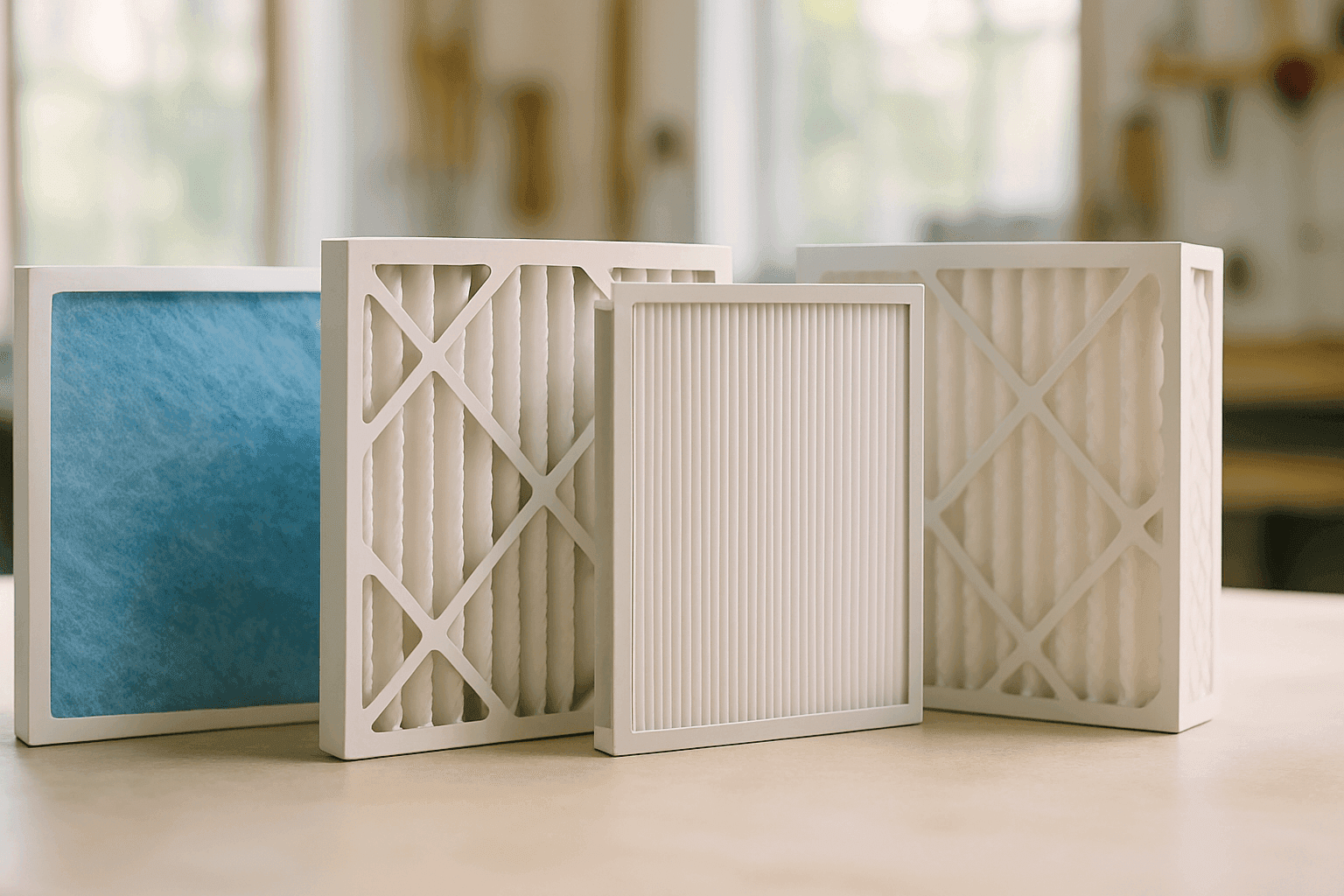
Stuffy rooms. Dusty surfaces. Sneezing fits you can’t explain. If your home’s heating system feels like it’s working against you, your filter might be the silent culprit. At Mills Heating & Air, we’ve seen how one overlooked filter can slow down an entire house—clogging comfort, health, and even your peace of mind.
Let’s clear the air. From choosing the right filter to knowing exactly when to swap it out, this guide will help you breathe easier—literally and figuratively.
Heating Filter Types Explained
Walking down the filter aisle can feel like finding your way in a maze. Here’s a breakdown of the most common filter types you’ll see, with their pros, cons, and best uses:
Fiberglass Filters
Think of fiberglass filters as the “bare minimum” sponge for your heating system. They’re inexpensive, thin, and catch only the largest dust bunnies.
- Pros: Cheap, widely available.
- Cons: Low filtration—misses small particles like pollen or pet dander.
- Lifespan: 30 days (monthly replacement recommended).
Pleated Filters
Pleated filters are like a folded napkin—more material packed into the same space. That extra surface traps more dust, mold spores, and some allergens.
- Pros: Better filtration than fiberglass, catches smaller particles.
- Cons: Slightly higher cost, can restrict airflow if left unchanged.
- Lifespan: 60–90 days, depending on use and environment.
HEPA Filters
HEPA stands for “High-Efficiency Particulate Air.” These filters are the gold standard for allergy relief—like a fine-mesh net that grabs even the tiniest invaders.
- Pros: Removes 99.97% of particles 0.3 microns or larger (according to U.S. EPA standards).
- Cons: Not all heating systems can handle HEPA’s dense weave—check your manual or ask a pro.
- Lifespan: 6–12 months, but check monthly for dust buildup.
Electrostatic Filters
These filters create a static charge. Like a balloon on a sweater, they attract particles as air flows through.
- Pros: Washable versions available, reusable, capture microscopic dust and allergens.
- Cons: Must be cleaned regularly to stay effective, initial cost is higher.
- Lifespan: Permanent if maintained, but wash every 30 days.
How Filters Impact Efficiency and IAQ 🛠️
A heating filter is more than a dust-catcher. Think of it as your home’s gatekeeper. It protects your lungs, your family’s comfort, and your HVAC system’s inner workings.
Why It Matters
- Efficiency: A clogged filter makes your heating system work harder, which means higher energy bills and more wear and tear.
- Indoor Air Quality (IAQ): A clean filter traps pollen, mold, dust, and pet hair. This reduces asthma triggers and general stuffiness.
- Safety: Neglected filters can lead to overheating, short cycling, or even system failure—especially in older furnaces (as outlined by the American Society of Heating, Refrigerating and Air-Conditioning Engineers).
Filter Ratings: What’s MERV Got to Do With It?
MERV stands for Minimum Efficiency Reporting Value. It’s a bit like a test score for filters—from 1 (barely filters) to 20 (hospital-grade air).
- MERV 1–4: Basic dust blocking (fiberglass).
- MERV 5–8: Standard home use (pleated).
- MERV 9–12: Superior residential filtration, tackles finer particles.
- MERV 13–16: Homeowners with allergies, pets, or respiratory issues.
- MERV 17–20: True HEPA, not always compatible with residential heating.
Tip: Most homes do well with a MERV 8–12 filter. Going higher can strain some HVAC systems, so check your manual or consult an HVAC Repair near you.
Signs It’s Time to Replace Your Filter
How do you know it’s time for a fresh filter? Look for these telltale symptoms:
- Rooms feel stuffier or dustier than usual.
- Allergy symptoms flare up for no clear reason.
- Your heating system cycles on and off more often (short cycling).
- Energy bills creep up while comfort drops.
- You spot visible dirt, gray streaks, or even mold on the filter.
- The filter’s edges are bent or warped.
Changing your filter is like brushing your teeth: easy to forget, but you notice fast when you skip it.
Simple Replacement Intervals: Busting Myths
Let’s clear up a few common myths about filter replacement:
- Myth: “I only run my heat in winter, so I can change the filter once a year.”
- Reality: Even during downtime, dust accumulates. Change filters every 1–3 months, no matter the season.
- Myth: “If the filter looks clean, it’s still good.”
- Reality: Microscopic particles can clog airflow before you see visible dirt.
- Myth: “All filters last the same amount of time.”
- Reality: Lifespan varies by type, MERV rating, pets, smoking, and local air quality.
General Rule:
- Fiberglass: 1 month
- Pleated: 2–3 months
- HEPA: 6–12 months (but check monthly)
- Electrostatic: Wash monthly
Cost vs. Benefit: What Are You Really Paying For?
Let’s break it down:
- Fiberglass: $1–$3 each, but changed more often. Cheaper up front, pricier over the year.
- Pleated: $5–$15 each, lasts longer, better for allergies.
- HEPA: $20–$50+, longer life, superior filtration.
- Electrostatic: $30–$100, reusable.
Benefit: Good filters lower repair bills, extend furnace life, and can cut energy costs by up to 15% (per U.S. Department of Energy).
Symptoms of an Overdue Filter Change
Sometimes the warning signs are subtle. Here’s what to watch for:
- Musty or burning smell when the heat kicks on.
- Visible dust settling faster on furniture.
- Weak airflow from vents.
- Noisy operation—the system strains to breathe.
- Unexplained breakdowns or emergency repairs.
If you spot one—or several—of these, it’s time to check your filter.
Practical Tips for Homeowners
- Mark your calendar for filter changes, or set a phone reminder.
- Always turn off your system before swapping a filter.
- Write the date on the filter’s edge as a reminder.
- For homes with pets or allergy sufferers, consider upgrading to a higher MERV rating.
- If you notice repeated dust buildup, consider a home energy audit or IAQ testing.
Filter Buying & Maintenance Guidance
- Bring your old filter to the store to match size and type.
- Never force a filter that doesn’t fit—gaps let dust slip by.
- When in doubt, snap a photo of your filter compartment.
- Don’t forget: Not all heating systems can handle HEPA or high-MERV filters. Always check your manual or ask a professional before upgrading.
Frequently Asked Questions
How do I know which filter my heating system needs?
The filter size and type are usually printed on the old filter or listed in your furnace manual. If you’re unsure, HVAC Repair near you can help.
Do higher MERV filters always mean better air?
Higher MERV means finer filtration, but it can restrict airflow. Balance clean air with system compatibility.
Can I clean and reuse my filter?
Only if it’s labeled washable or “electrostatic.” Most paper or fiberglass filters must be replaced, not cleaned.
What if I have pets or allergies?
Change filters more often—every 30–60 days. Upgrade to a pleated or HEPA filter if your system allows.
Local and Seasonal Factors 🍂
- Fall and winter: Heating runs more, so dust and dander build up faster—change filters before cold snaps.
- Spring allergies: Swap filters as pollen counts rise. A good filter is your first line of defense.
- Construction or wildfire smoke nearby: Change filters more frequently to protect indoor air and system health.
References
- U.S. Department of Energy: Filter maintenance and system efficiency
- U.S. Environmental Protection Agency (EPA): HEPA standards and IAQ guidelines
- American Society of Heating, Refrigerating and Air-Conditioning Engineers (ASHRAE): Filter ratings and MERV standards
Clean air and a healthy heating system start with something as simple as a fresh filter. If you ever have questions, need a new filter, or want a full system check, Mills Heating & Air is always here to help.
Call Mills Heating & Air now — or reach us anytime at 844-484-8493 .